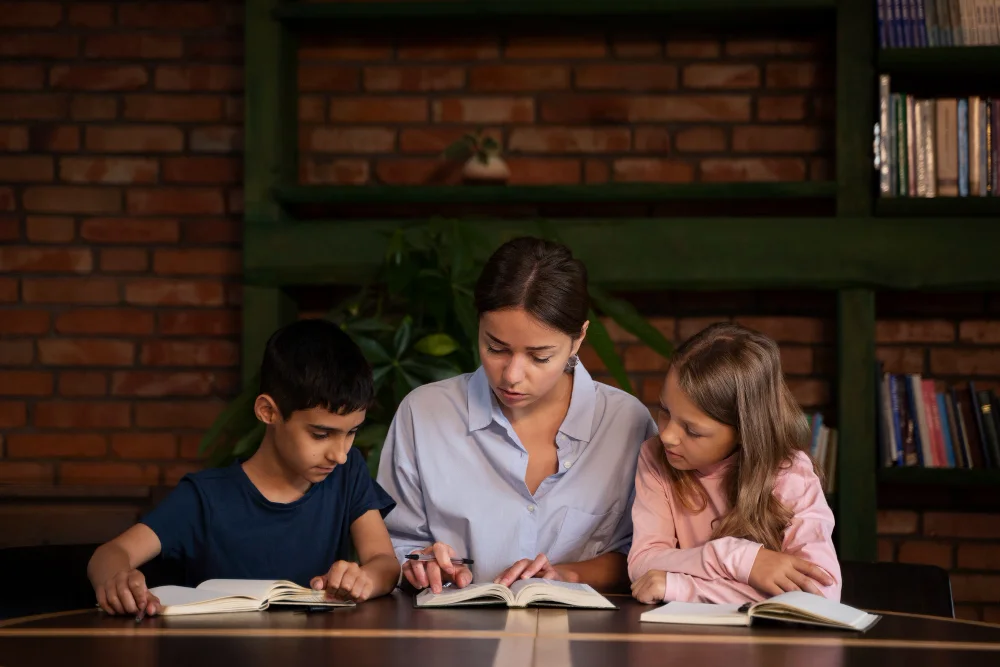
How Pakistani Parents Can Support Their Child’s Academic Journey
Parenting in Pakistan comes with unique responsibilities, especially when it comes to education. Pakistani parents deeply value academic success and want to provide the best possible support for their children’s learning journey. However, knowing how to help effectively while balancing cultural expectations, financial considerations, and modern educational demands can be challenging
Understanding the Pakistani Educational Landscape
Multiple Pathways, Multiple Choices
Pakistani parents today face more educational options than ever before:
-
Public Schools: Government institutions with standardized curricula
-
Private Schools: Varying quality and approaches, from local to international standards
-
Madrassas: Religious education institutions with both traditional and modern curricula
-
Home Schooling: Growing option for personalized education
Understanding these options helps parents make informed decisions based on their child’s needs, family values, and financial capacity.
Examination Systems and Board Requirements
Pakistani students typically navigate several examination phases:
-
Primary and Middle School assessments
-
Matriculation (Class 10) board examinations
-
Intermediate (Class 12) board examinations
-
University entrance tests and admissions
Each stage requires different types of support and preparation strategies.
Creating a Supportive Home Environmen
Establishing a Learning Space
Every child needs a dedicated study area, regardless of home size:
- Quiet Corner: Even a small, well-lit corner can serve as an effective study space
- Organized Supplies: Keep books, stationery, and materials easily accessible
- Minimal Distractions: Reduce noise and interruptions during study hours
- Comfortable Seating: Proper chair and table arrangement for good posture
Setting Realistic Expectations
Pakistani culture emphasizes academic excellence, but realistic expectations are crucial:
- Individual Abilities: Recognize your child’s unique strengths and challenges
- Progress Over Perfection: Celebrate improvement rather than demanding top positions
- Balanced Goals: Academic success alongside character development and life skills
- Long-term Vision: Focus on learning and growth, not just examination scores
Daily Academic Support Strategies
Homework and Study Time Management
Effective homework support doesn’t mean doing the work for your child:
Structured Study Schedule
- Create consistent study times that work with your family routine
- Break study sessions into manageable chunks (25-30 minutes for younger children)
- Include short breaks and physical activity
- Maintain the schedule even on weekends, with adjusted timing
Monitoring Without Micromanaging
- Check that homework is completed, but let your child work independently
- Ask about what they learned rather than checking every answer
- Provide help when requested, but encourage problem-solving first
- Communicate regularly with teachers about your child’s progress
Reading Culture at Home
Pakistani parents can significantly impact their child’s academic success by fostering reading:
- Family Reading Time: Set aside time when everyone in the family reads
- Diverse Materials: Include storybooks, newspapers, and educational magazines alongside textbooks
- Discussion: Talk about what everyone is reading during family time
- Library Visits: Regular trips to school or community libraries
Choosing the Right Educational Resources
Selecting Quality Study Materials
The right educational resources can make a tremendous difference:
Curriculum Alignment
- Ensure materials match your child’s specific board requirements (Federal, Provincial, or International)
- Look for books that follow the exact syllabus and examination patterns
- Choose resources that include both theory and practice components
- Verify that content is up-to-date with recent curriculum changes
Age-Appropriate Content
- Select materials designed for your child’s grade level and learning capacity
- Look for books with clear explanations and plenty of examples
- Choose resources that progress from basic to advanced concepts systematically
- Consider your child’s language preferences and capabilities
Comprehensive Coverage
Quality educational materials should include:
- Success Books: Complete subject coverage with detailed explanations
- Practice Materials: Homework books and exercise collections
- Test Preparation: Practice test series and model papers for exam readiness
- Writing Skills: Books that develop communication and analytical abilities
Publishers like Green Leaf Publications specialize in creating comprehensive educational resources specifically designed for Pakistani curricula, offering parents reliable options that combine quality content with affordability.
Communication and Collaboration
Building Strong Parent-Teacher Relationships
Effective communication with teachers enhances your child’s educational experience:
- Regular Meetings: Attend parent-teacher conferences and school events
- Open Communication: Contact teachers when you have concerns or questions
- Support School Policies: Reinforce school rules and expectations at home
- Collaborative Approach: Work with teachers to address challenges and celebrate successes
Understanding Your Child’s Learning Style
Every child learns differently, and Pakistani parents can help by recognizing their child’s preferences:
- Visual Learners: Benefit from diagrams, charts, and colorful materialsAuditory
- Learners: Learn better through discussions and verbal explanations
- Kinesthetic Learners: Need hands-on activities and movement during learning
- Reading/Writing Learners: Prefer text-based materials and note-taking
Managing Academic Stress and Pressure
Balancing Expectations with Well-being
Pakistani parents often face pressure from extended family and social circles regarding their child’s academic performance:
Healthy Competition
- Focus on your child’s personal improvement rather than comparisons with others
- Celebrate effort and hard work, not just results
- Teach that setbacks are learning opportunities, not failures
- Maintain perspective about the importance of grades versus overall development
Supporting Mental Health
- Watch for signs of excessive stress or anxiety about studies
- Encourage open communication about academic challenges
- Ensure adequate sleep, nutrition, and recreational time
- Seek professional help if academic pressure affects your child’s well-being
Extracurricular Balance
Well-rounded development includes activities beyond academics:
- Sports and Physical Activity: Essential for health and stress relief
- Creative Pursuits: Art, music, or writing activities that develop different skills
- Social Activities: Time with friends and family for emotional development
- Religious and Cultural Activities: Connecting with community and values
Financial Planning for Education
Budget-Conscious Educational Investment
Pakistani families often work within tight budgets while prioritizing education:
Smart Resource Management
- Invest in quality core textbooks that will last the entire academic year
- Share resources with other families when appropriate
- Take advantage of school libraries and community resources
- Choose educational materials that offer comprehensive coverage to avoid multiple purchases
Long-term Educational Planning
- Start saving early for higher education expenses
- Research scholarship opportunities and merit programs
- Consider the total cost of education when making school choices
- Invest in resources that build foundational skills for multiple subjects
Technology and Modern Learning
Digital Learning Support
Modern Pakistani students benefit from balanced traditional and digital learning:
- Educational Apps: Supplement textbook learning with interactive applications
- Online Resources: Use internet resources for research and additional explanation
- Digital Organization: Teach children to organize digital files and assignments
- Screen Time Management: Balance digital learning with offline study and activities
Building Future Success
Life Skills Beyond Academics
Pakistani parents can prepare children for long-term success by developing:
- Critical Thinking: Encourage questioning and analysis, not just memorization
- Communication Skills: Practice speaking, writing, and presentation abilities
- Independence: Gradually increase responsibility for their own learning
- Cultural Identity: Strong understanding of Pakistani values alongside global awareness
Career Guidance and Exploration
Help children understand the connection between education and future opportunities:
- Discuss various career paths available in Pakistan and globally
- Connect academic subjects to real-world applications
- Encourage exploration of interests and talents
- Provide exposure to different professions through family networks and community connections
Conclusion
Supporting your child’s academic journey as a Pakistani parent requires balancing traditional valueswith modern educational approaches. Success comes from creating a nurturing environment, choosing appropriate resources, maintaining realistic expectations, and fostering a genuine love for learning.
Remember that academic success is just one component of raising confident, capable, and caring Pakistani citizens. By providing consistent support, quality educational materials, and unconditional love, you’re laying the foundation for your child’s lifelong success and happiness.
Your involvement in your child’s education is one of the most valuable investments you can make. Stay engaged, stay supportive, and trust in your child’s ability to achieve their dreams with the right guidance and resources.